


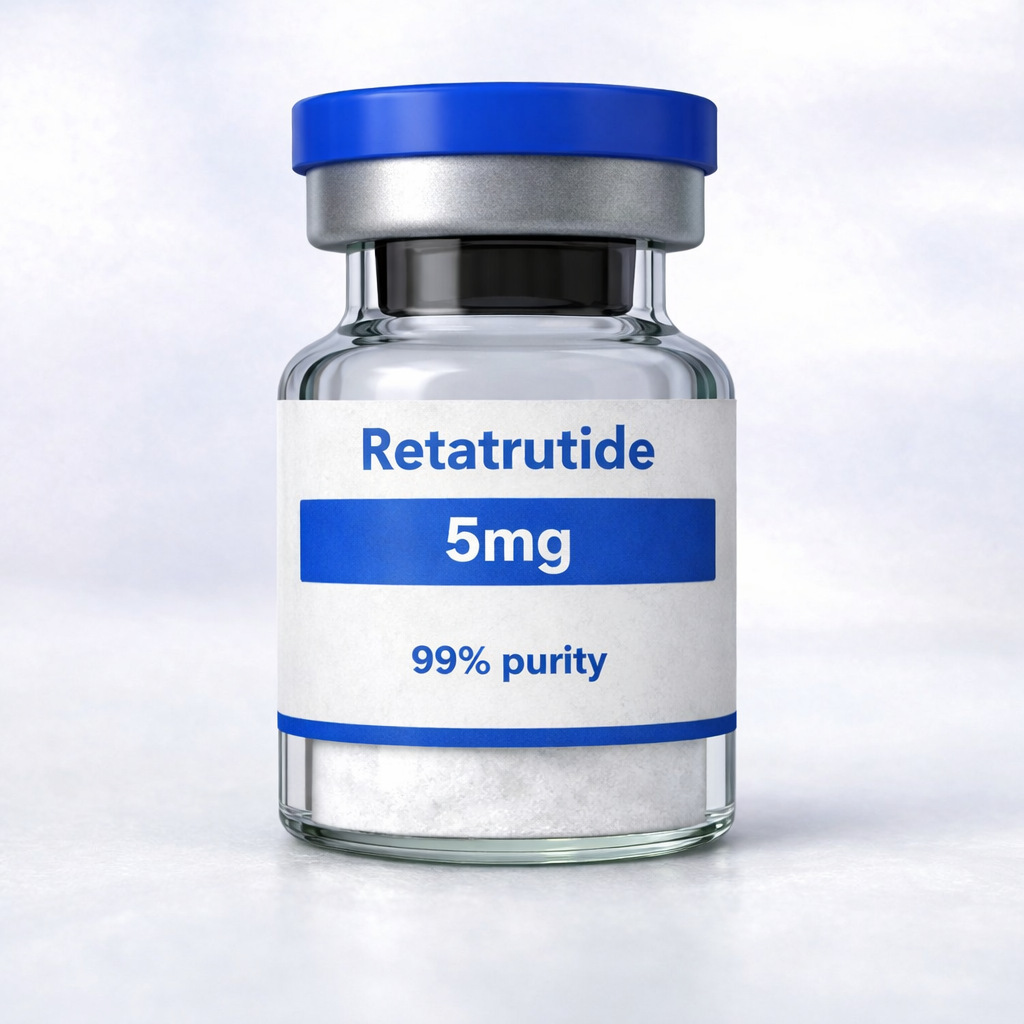

Retatrutide 5mg: A Detailed Guide to This Investigational Dosage Strength
In the rapidly evolving world of metabolic health and weight management, new therapeutic options are constantly emerging. One of the most talked-about investigational drugs today is Retatrutide, particularly the 5mg dosage strength. While Retatrutide is not yet approved for public use by the FDA, it has shown significant promise in clinical trials for treating obesity and type 2 diabetes.
This guide provides a comprehensive, easy-to-understand overview of the Retatrutide 5mg dosage, including its role in treatment, how it is administered, potential side effects, and important safety considerations.
Understanding Retatrutide 5mg and Its Mechanism
Retatrutide 5mg is a novel investigational medication that belongs to a class of drugs known as triple hormone receptor agonists. Unlike traditional weight loss medications that target one or two pathways, Retatrutide uniquely targets three key gut hormones: GIP (glucose-dependent insulinotropic polypeptide), GLP-1 (glucagon-like peptide-1), and glucagon.
This triple-action mechanism works synergistically to regulate appetite, improve blood sugar control, and increase energy expenditure. The result is often significant and sustained weight loss, along with better metabolic health markers. Within this framework, the 5mg dosage serves as a critical step in the patient’s journey toward an effective maintenance dose.
The Role of the Retatrutide 5mg Dosage in Dose Escalation
Retatrutide is not started at a high dose. Instead, it follows a structured dose escalation schedule. This gradual increase is a standard medical practice designed to minimize gastrointestinal side effects and allow the body to adapt to the medication.
The 5mg strength typically represents the second level of escalation. Here is a general overview of how this dosage fits into a standard clinical trial protocol:
-
Weeks 1 to 4 (Starting Phase): Patients usually begin with a lower dose of 2.5mg administered once weekly.
-
Weeks 5 to 8 (Intermediate Phase): This is where the 5mg once-weekly dosage is introduced. The body has had four weeks to acclimate, making the transition to 5mg more tolerable.
-
Weeks 9 and Beyond (Maintenance Phase): Depending on individual tolerance and therapeutic response, the dosage may be further increased to 7.5mg or 10mg.
The 5mg phase is often considered a “bridge” between the starting dose and the higher therapeutic range. It allows clinicians to assess how a patient responds to a more potent level of the drug before committing to the highest doses.
How Retatrutide 5mg Is Prepared and Administered
Retatrutide is supplied as a lyophilized powder, meaning it is a dry substance that must be mixed with a specific liquid before use. For the 5mg vial, the standard reconstitution involves adding 0.5 mL of Sterile Water for Injection.
Once mixed, this creates a solution with a final concentration of 10 mg per mL. Therefore, the entire 0.5 mL volume is drawn into an insulin syringe and administered as a subcutaneous injection—meaning just under the skin, usually in the abdomen, thigh, or upper arm.
Injections are required only once weekly. Patients are encouraged to take their dose on the same day each week to maintain consistent levels of the medication in their system.
Expected Benefits and Efficacy of the Retatrutide 5mg Dose
While the highest doses of Retatrutide (like 10mg or 12mg) have shown the most dramatic weight loss results in trials, the 5mg dose is not without benefit. By the time a patient completes four weeks at the 5mg level, they often begin to notice significant changes.
Clinical data suggests that even at this intermediate dosage, many individuals experience a marked reduction in appetite and food cravings, thanks to the GLP-1 and GIP activity. Additionally, the glucagon component may start to increase resting energy expenditure. For many participants, the majority of weight loss begins to accelerate during the 5mg to 7.5mg transition period.
Common Side Effects and Safety Precautions of Retatrutide 5mg
As with any powerful metabolic agent, Retatrutide 5mg can cause side effects. It is important to note that side effects are often most noticeable during dose escalation, including the move from 2.5mg to 5mg.
The most commonly reported side effects are gastrointestinal in nature. These may include:
-
Nausea
-
Diarrhea
-
Constipation
-
Vomiting
-
Decreased appetite
In clinical trials, these side effects were typically mild to moderate in severity and often resolved over time as the body adjusted. However, there are serious risks that require immediate medical attention. These include:
-
Acute Pancreatitis: Severe abdominal pain that may radiate to the back.
-
Gallbladder Issues: Including gallstones.
-
Severe Gastrointestinal Reactions: Such as persistent vomiting leading to dehydration.
Patients with a personal or family history of medullary thyroid carcinoma (MTC) or with Multiple Endocrine Neoplasia syndrome type 2 (MEN 2) should not use Retatrutide.
Important Regulatory Status of Retatrutide 5mg
It is crucial to understand that Retatrutide is an investigational drug. As of the current date, it has not received FDA approval for general prescription use. The information available, including details about the 5mg dosage, comes from clinical trial protocols and published research.
The only legal way to obtain Retatrutide is through participation in a registered clinical trial. Purchasing it from online retailers, research chemical companies, or other unregulated sources is dangerous and strongly discouraged, as the purity, sterility, and accurate dosing cannot be guaranteed.
Key Benefits Retatrutide 5mg
- 🔹 Helps manage hunger and cravings
- 🔹 Promotes steady, sustainable weight loss
- 🔹 Supports metabolic efficiency
- 🔹 Aids in energy balance and control
- 🔹 Encourages long-term consistency and results
Product Highlights
- ✔ 5mg peptide concentration
- ✔ Multi-pathway (triple-action) peptide
- ✔ High-quality, consistent formulation
- ✔ Designed for controlled, flexible use
Important Note
For best results, combine with proper nutrition and an active lifestyle. Responsible use and professional guidance are recommended.


Reviews
There are no reviews yet.