


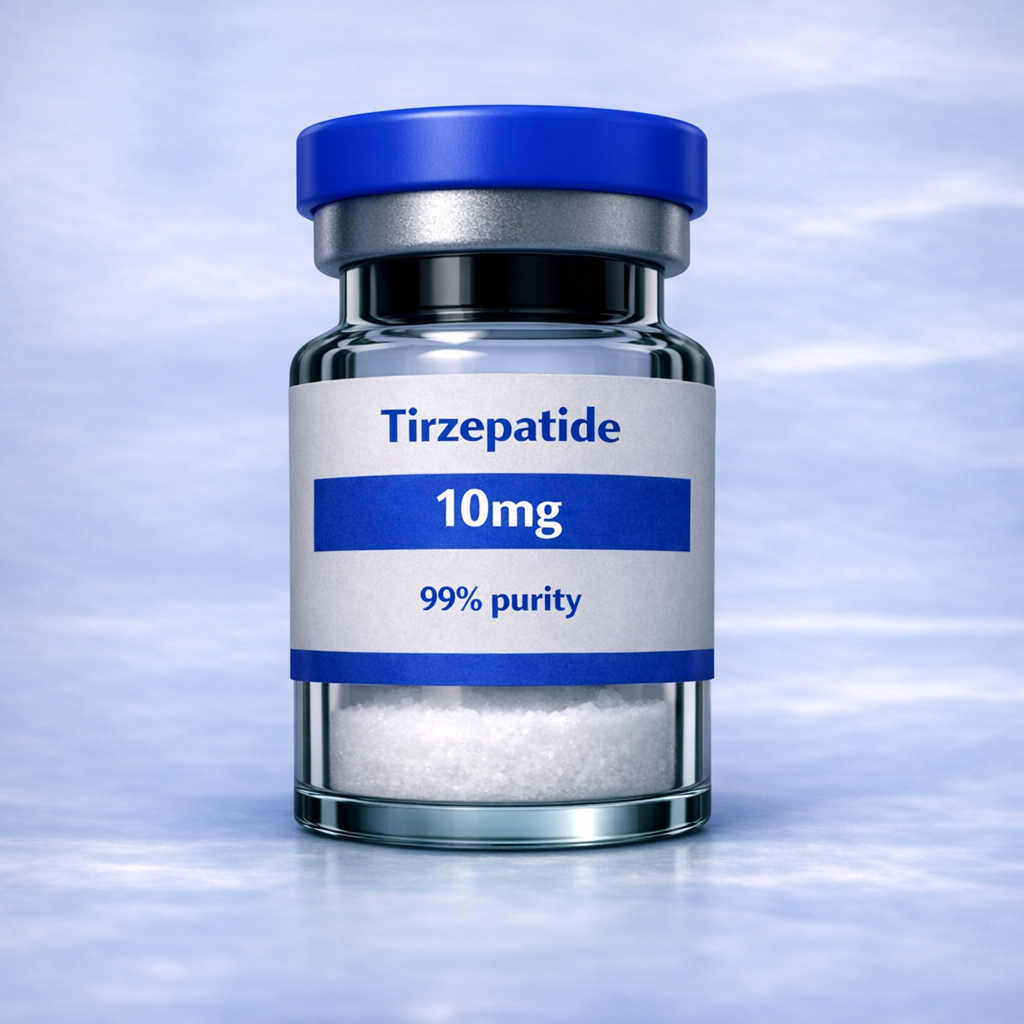

Tirzepatide 10mg: The Mid-Range Dose for Steady Weight Loss & Blood Sugar Control
For patients navigating the world of dual GIP/GLP-1 agonist therapy, Tirzepatide 10mg occupies a critical middle ground. It is neither the starting dose nor the maximum strength. Instead, this intermediate maintenance dose represents the sweet spot for many individuals who need significant metabolic improvement but may not tolerate or require the highest 15mg level. This comprehensive guide explores everything you need to know about Tirzepatide 10mg—from its mechanism and expected results to proper titration and side effect management.
What Is Tirzepatide 10mg?
Tirzepatide is a once-weekly injectable medication that simultaneously activates two natural gut hormones: GIP (glucose-dependent insulinotropic polypeptide) and GLP-1 (glucagon-like peptide-1). The 10mg dose is an intermediate maintenance strength, positioned between the 5mg starting maintenance dose and the maximum 15mg level. It is FDA-approved for treating type 2 diabetes under the brand name Mounjaro® and for chronic weight management under the brand name Zepbound®.
Unlike the 2.5mg initiation dose, which is only meant to prepare the body for therapy, Tirzepatide 10mg is a true therapeutic strength. It delivers substantial clinical benefits while potentially causing fewer side effects than the maximum 15mg dose. For many patients, 10mg becomes their long-term maintenance level.
How Does Tirzepatide 10mg Work in the Body?
At the 10mg strength, the dual-agonist mechanism operates at a robust but not maximal level. Here is what occurs when Tirzepatide 10mg is fully integrated into your system:
–Moderate to Strong Insulin Secretion: The pancreas releases insulin in response to rising blood sugar, but the effect is less aggressive than at 15mg, reducing hypoglycemia risk.
– Significant Appetite Suppression: The brain receives strong satiety signals, leading to natural caloric reduction without extreme food aversion.
– Slowed Gastric Emptying: Food moves more slowly through the digestive tract, prolonging fullness after meals.
– Reduced Liver Glucose Production: The liver produces less excess sugar, contributing to stable blood glucose levels.
Tirzepatide 10mg strikes a balance between efficacy and tolerability. Clinical trials show that many patients achieve their glycemic and weight loss goals at this dose without needing to advance to 15mg.
Who Is a Candidate for the Tirzepatide 10mg Dose?
The 10mg strength is appropriate for several patient profiles. First, it suits adults with type 2 diabetes who have achieved partial success on 5mg but still need lower HbA1c levels. Second, it works well for individuals with a BMI of 30 or higher, or BMI 27 or higher with weight-related conditions like hypertension or sleep apnea, who want strong weight loss results but wish to avoid the maximum dose. Third, it benefits patients who experienced troublesome side effects when briefly trying 12.5mg or 15mg and have stepped back down to 10mg as their optimal maintenance level.
Critical Note: Tirzepatide 10mg is contraindicated for patients with a personal or family history of medullary thyroid carcinoma (MTC) or Multiple Endocrine Neoplasia syndrome type 2 (MEN2). It is also not recommended during pregnancy or breastfeeding.
Expected Results: What Can You Achieve at Tirzepatide 10mg?
Clinical data from the SURPASS and SURMOUNT trials provide clear expectations for patients on Tirzepatide 10mg. On average, users experience an HbA1c reduction of 1.8 to 2.2 percentage points. Total body weight loss typically ranges from 12 to 18 percent of starting weight. Fasting blood glucose levels often drop by 40 to 60 mg/dL. Many patients also see a waist circumference reduction of 3 to 5 inches.
For comparison, these results are significantly better than the 5mg dose but slightly less dramatic than the 15mg maximum. However, because side effects are generally milder at 10mg, many patients actually achieve better long-term adherence and sustained results at this mid-range strength than they would at a higher, less tolerable dose.
Proper Titration to Reach Tirzepatide 10mg
Reaching the 10mg dose requires following a structured titration schedule. No patient should start directly at 10mg. The standard approach unfolds as follows. During weeks one through four, patients take 2.5mg once weekly as an initiation dose to prepare the body. Weeks five through eight increase to 5mg once weekly, which is the first true therapeutic maintenance level. If well tolerated and additional efficacy is needed, weeks nine through twelve bring the dose to **10mg once weekly**.
Some patients may stay at 5mg for longer than four weeks before advancing. Others may briefly try 12.5mg or 15mg and then return to 10mg if higher doses cause intolerable side effects. Each step allows the body to adapt, minimizing gastrointestinal distress. Skipping steps or starting at **Tirzepatide 10mg** can lead to severe nausea, vomiting, and diarrhea.
Side Effects of Tirzepatide 10mg
At the 10mg dose, side effects are typically moderate and often diminish as the body adjusts over several weeks. Common adverse effects include nausea, which affects approximately 15 to 20 percent of users at this strength. Diarrhea or constipation may occur but are usually less severe than at 15mg. Vomiting is possible but less frequent than with maximum dosing. Abdominal pain and bloating can happen, along with noticeably reduced appetite, which is intentional but should remain manageable.
Serious but rare risks mirror those of the entire tirzepatide class. These include pancreatitis, identified by severe upper abdominal pain that may radiate to the back. Gallbladder disease, including gallstones, has been reported. Acute kidney injury can occur, usually due to dehydration from vomiting or diarrhea. Severe hypoglycemia is possible when Tirzepatide 10mg is combined with insulin or sulfonylureas.
If you experience persistent or severe symptoms at Tirzepatide 10mg, consult your doctor. Some patients find that staying at 10mg for a longer period, rather than titrating up quickly, allows their bodies to adapt more completely.
Tirzepatide 10mg vs. Lower and Higher Doses
How does the 10mg dose compare to other strengths within the same medication class? Understanding these differences helps patients and doctors choose the right maintenance level.
Against the 5mg dose, Tirzepatide 10mg delivers superior results across all metabolic markers. Weight loss is approximately 5 to 8 percentage points higher. HbA1c reduction is about 0.5 to 0.8 percentage points greater. However, side effects are also more common at 10mg than at 5mg.
Against the 15mg maximum dose, Tirzepatide 10mg is slightly less potent. Weight loss at 15mg averages 15 to 22 percent, compared to 12 to 18 percent at 10mg. HbA1c reduction at 15mg reaches 2.0 to 2.5 percent, versus 1.8 to 2.2 percent at 10mg. However, nausea, vomiting, and diarrhea are significantly less frequent and severe at the 10mg level. Many patients who cannot tolerate 15mg find they can sustain 10mg comfortably for years.
For patients who have never tried any incretin mimetic, the 2.5mg starting dose is always the first step. But for those seeking a long-term maintenance plan, Tirzepatide 10mg often represents the ideal balance of efficacy and tolerability.
Lifestyle Tips for Success on Tirzepatide 10mg
To maximize benefits while minimizing side effects at the 10mg dose, incorporate these practical strategies into your daily routine.
First, eat small, frequent meals throughout the day. Large portions trigger nausea more readily at 10mg than at 5mg. Try five to six mini-meals daily instead of three large ones.
Second, prioritize lean protein sources such as chicken, fish, tofu, eggs, and Greek yogurt. Adequate protein helps preserve muscle mass during weight loss, which is especially important as you approach double-digit percentage body weight reduction.
Third, stay well hydrated by aiming for eight to ten glasses of water daily. Dehydration worsens constipation and increases kidney stress. Adding electrolyte supplements can be helpful if diarrhea occurs.
Fourth, inject your weekly dose in the evening. Taking Tirzepatide 10mg before bed allows you to sleep through the initial wave of nausea, which typically peaks six to twelve hours after injection.
Fifth, avoid high-fat and greasy foods, as they significantly increase the risk of vomiting and diarrhea at this mid-range strength. Fried foods, creamy sauces, and fatty cuts of meat are common triggers.
Frequently Asked Questions
Q: Is Tirzepatide 10mg more effective than 5mg?
Yes, significantly. Clinical trials show that 10mg produces approximately 40 to 50 percent greater weight loss and 30 to 40 percent greater HbA1c reduction compared to 5mg. However, side effects are also more common, so the best dose is the highest one you can tolerate comfortably.
Q: Can I stay on Tirzepatide 10mg indefinitely?
Yes. Many patients use 10mg as their long-term maintenance dose for years. Current safety data supports continuous use for at least two to three years, with ongoing studies evaluating longer durations. Regular monitoring of pancreatic and kidney function is recommended.
Q: What if I miss a dose of Tirzepatide 10mg?
If you miss a dose and it has been four days or less since your scheduled injection, take it immediately. If five days or more have passed, skip the missed dose and take your next injection on your regular scheduled day. Never inject two doses at once.
Q: Can I go back down from 15mg to 10mg?
Absolutely. Many patients try 12.5mg or 15mg and find that side effects are unmanageable. Stepping back down to 10mg is common and often restores tolerability while still providing excellent results. Always discuss dose adjustments with your prescribing physician.
Q: Does insurance cover Tirzepatide 10mg?
Coverage for the 10mg dose is identical to coverage for other strengths. It is widely covered for type 2 diabetes under Mounjaro®. For obesity under Zepbound®, coverage varies significantly by insurance plan. Manufacturer savings cards and compounded options are available for eligible patients.
Final Verdict Tirzepatide 10mg
Tirzepatide 10mg represents the optimal balance between potency and tolerability for a large subset of patients. It delivers substantial weight loss averaging 12 to 18 percent of body weight and impressive HbA1c reductions of 1.8 to 2.2 percentage points. Yet it avoids the higher side effect burden associated with the maximum 15mg dose. For individuals who find 5mg insufficient but cannot tolerate 15mg, the 10mg strength is often the perfect long-term solution.
If you have completed titration through 2.5mg and 5mg without significant side effects but still need better metabolic control, ask your endocrinologist whether advancing to Tirzepatide 10mg aligns with your health goals. Remember that the best dose is not always the highest dose—it is the dose that delivers sustainable results with acceptable tolerability. For many, that sweet spot is 10mg.
Product Highlights
- ✔ 10mg peptide concentration
- ✔ Dual-action (GIP + GLP-1 receptor agonist)
- ✔ High-quality, consistent formulation
- ✔ Designed for flexible, structured use
Important Note
For best results, combine with proper nutrition and regular physical activity. Responsible use and professional guidance are recommended.


Reviews
There are no reviews yet.